Tablao Flamenco 1911
Tablao Flamenco 1911
 tablao_flamenco_1911_3.jpg
- tablao_flamenco_1911.png
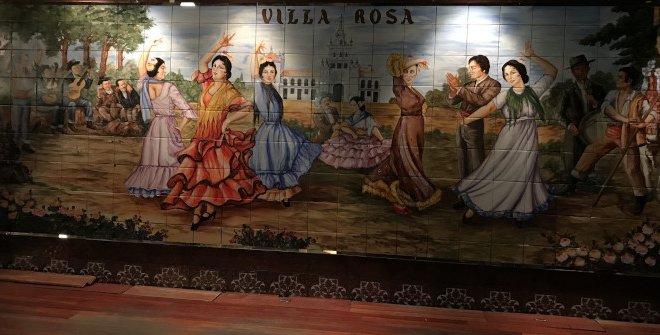
- villa_rosa.jpg
- tablao_flamenco_1911_5.jpg
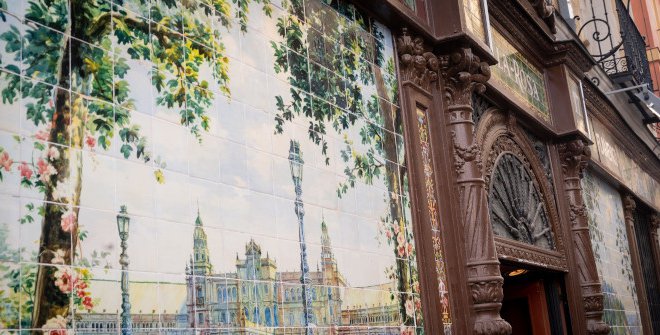
- VillaRosaFachada_1409905861.944.jpg
- VillaRosaRecepcion_1409905881.19.jpg
- tablao_flamenco_1911_2.jpg
- villa_rosa_4.jpg
- tablao_flamenco_1911_4.jpg
- villa_rosa_6.jpg
- tablao_flamenco_1911_6.jpg
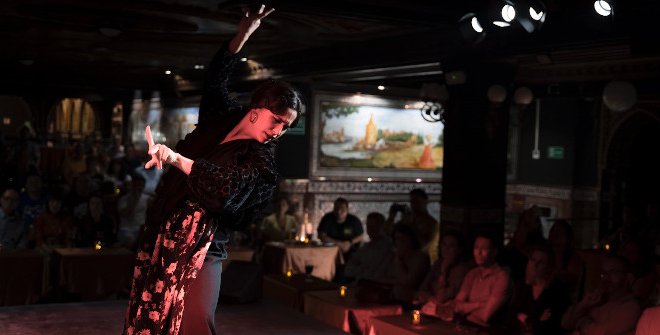
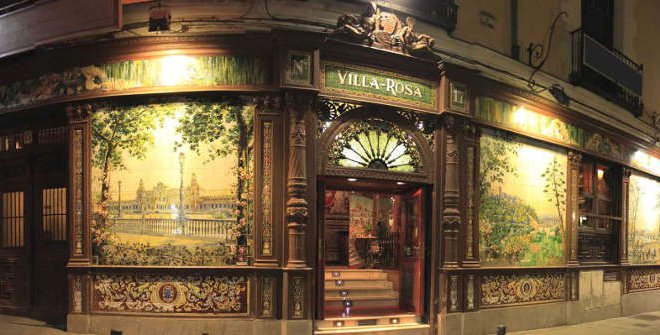
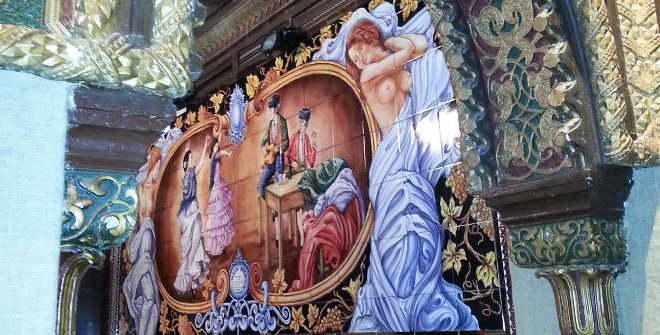
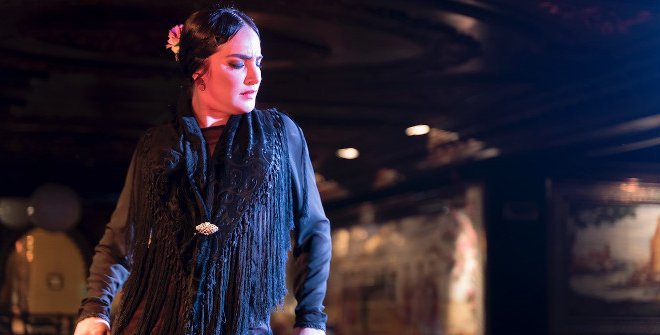
Description
Last updated:
06/08/2026
IN THE AREA
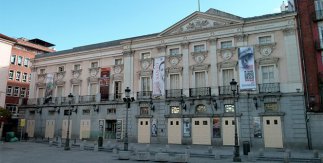
A witness of the history of Madrid, the Teatro Español has been holding theatre shows since the 16th century.
Don't miss
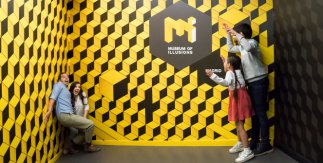
Discover in this recently opened museum the world of optical illusions, where nothing is what it seems. Very close to Puerta del Sol.
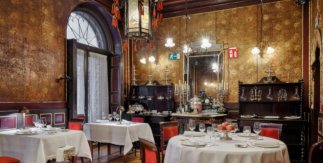
Tradition, quality and impeccable service in this centenary restaurant, next to Puerta del Sol.
Flamenco tablaos
-
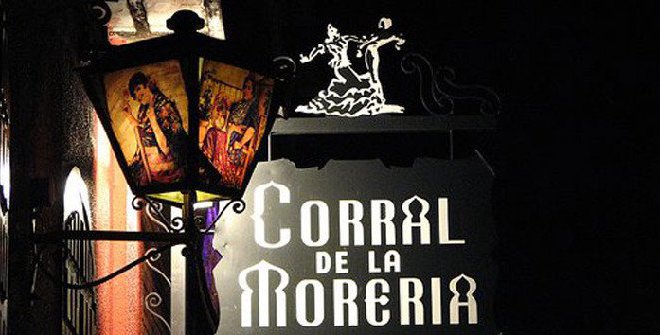
Corral de la Morería
-
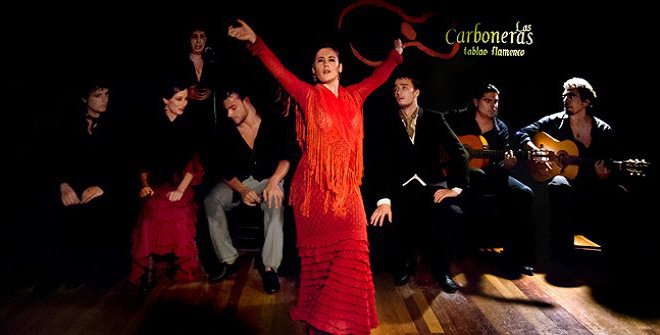
Las Carboneras
-
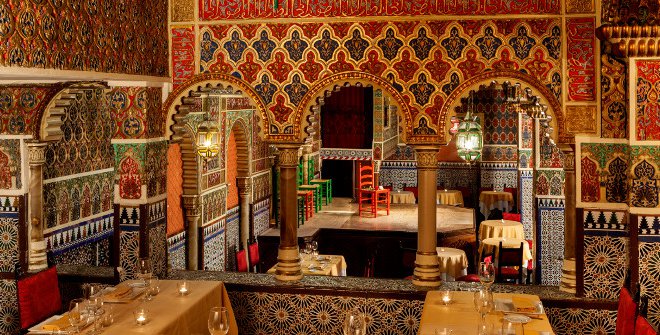
Torres Bermejas
-
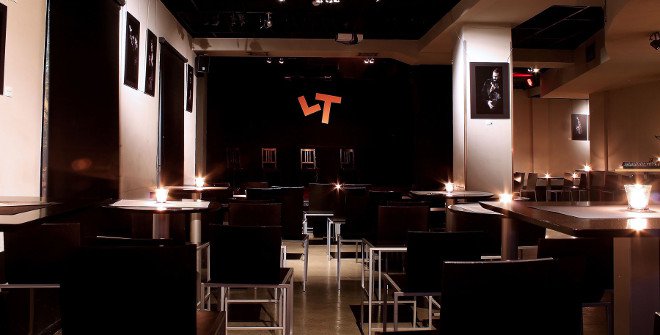
Las Tablas
-
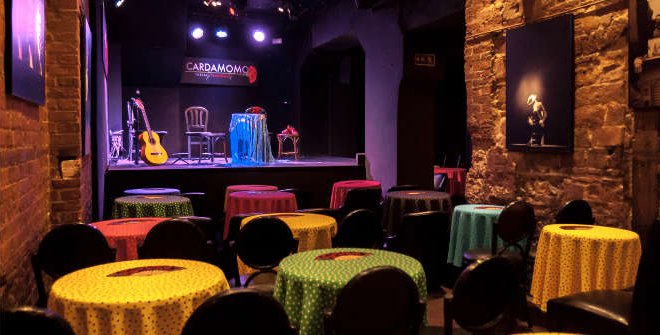
Cardamomo
Advertisement
OFFICIAL PRODUCTS

Advertisement
-
Art and Culture
-
Parks and Gardens