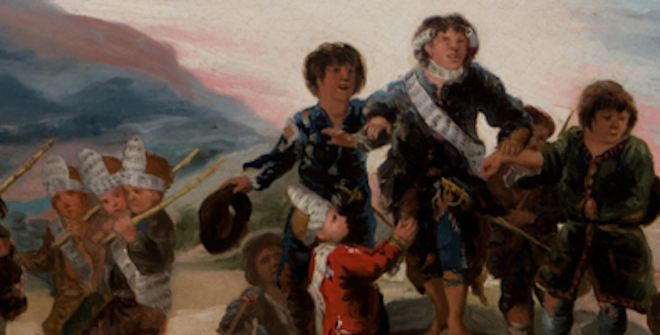
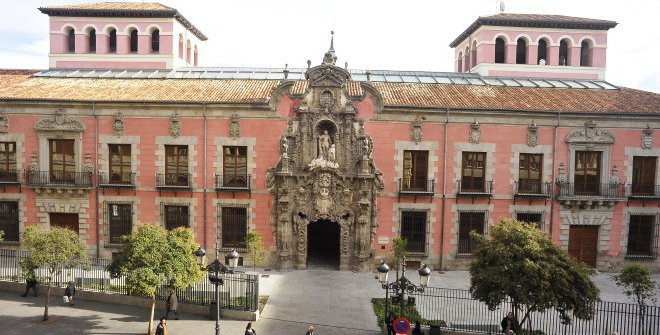
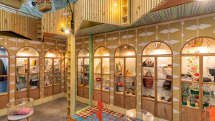
The History of Madrid Museum is hosting an exhibition from 2 June to 23 September that focuses on the legacy of two women who made history in Madrid 100 years ago, thanks to the generosity with which they helped those most in need. They were both pioneers in uncompromising philanthropy. Thanks to them, we can now enjoy an extraordinary art collection featuring several paintings by Goya, Luca Giordano, Antonio Brugada and José Moreno Carbonero, among others.
Carlota de Santamarca y Donato, Duchess of Nájera, left her immense fortune to funding a shelter for orphaned children, which opened its doors in 1928. In the same year, Antonia González Pérez set up another orphanage to take in and educate two hundred underprivileged girls.
This exhibition brings together the most outstanding pieces from the set of paintings bequeathed by the two founders. They include six small paintings from the “Children's Games” series by Francisco de Goya, painted between 1785 and 1786, alongside leading works by Luca Giordano and the Flemish painter, P. P. Roos. The Spanish School is represented by paintings by Antonio Brugada and José Moreno Carbonero, among others. In total, visitors will be able to see 54 paintings, three busts and other belongings from the period, which make up an exceptional visual record of 19th-century Madrid.
The collection is rounded off with a valuable selection of portraits and paintings from 19th and 20th-century Spain, including works by José Moreno Carbonero and Pablo Manzano. Bernardo López Piquer and Antonio de Brugada represent Romantic painting from the first half of the19th century, alongside the Orientalist landscapes by Jenaro Pérez Villaamil.
In short, the collection spans more than three centuries of the history of European art, featuring the Italian, Spanish and Flemish Golden Century and forming a legacy of unique value for Madrid’s historic heritage.

 goya_y_las_escuelas_flamenca_e_italiana._un_siglo_de_filantropia_de_carlota_de_santamarca_y_antonia_gonzalez.png